Mon–Thu 8 AM – 4 PM · Fri 8 AM – 2 PM · Sat & Sun by appointment

Exosomes · Stem Cells · Wharton’s Jelly

Repair, regenerate, reduce degeneration

Regenerative biologics, exosomes, stem cells, and Wharton’s jelly, share a common goal: signaling the body to repair, regenerate, and reduce degeneration rather than just managing symptoms. Sourced through BioRegen and matched to protocol under practitioner review.

Regenerative · Biologics

Regenerative Medicine

Stem Cell / Exosomes

Regenerative Biologics: Exosomes, Stem Cells & Wharton’s Jelly

These three are part of the same regenerative medicine ecosystem, each works differently but shares a common goal: signaling the body to repair, regenerate, and reduce degeneration rather than just managing symptoms.

Sourced from BioRegen

Exosomes

What They Are

Exosomes

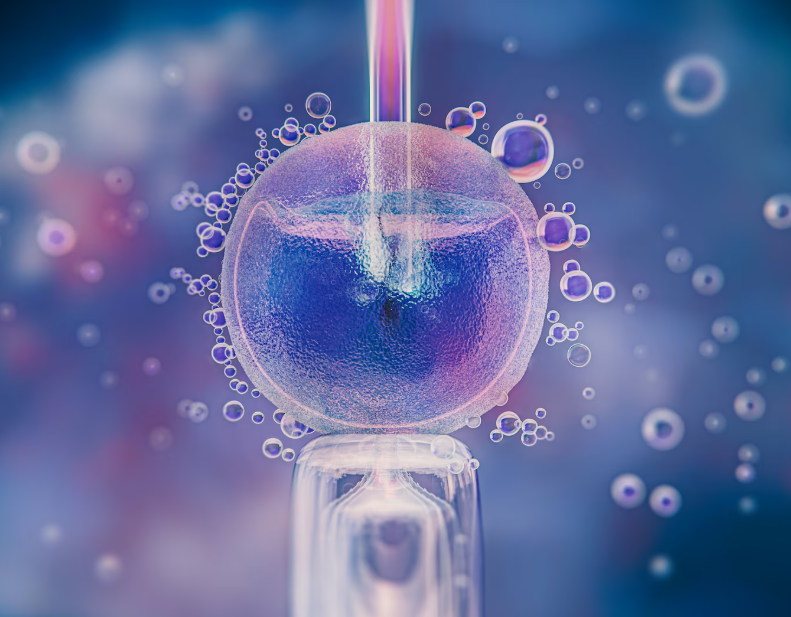
Exosomes are nano-sized extracellular vesicles (30–150 nm) secreted by cells as a communication system. They carry proteins, lipids, mRNA, and microRNA between cells, essentially packages of biological instructions. They don’t contain a nucleus and aren’t cells themselves.

In regenerative medicine, exosomes are typically derived from mesenchymal stem cells (MSCs), most commonly from Wharton’s jelly (umbilical cord tissue), and concentrated for therapeutic use. The idea is that you’re delivering the signaling payload of stem cells without the cells themselves.

Think of it this way: if stem cells are the pharmacy, exosomes are the medicine.
Book your consultation
Exosomes, what it is
Exosomes, how it works

How They Work

  • Fuse with target cell membranes and deliver their cargo directly
  • Reprogram recipient cells toward repair and anti-inflammatory states
  • Stimulate local stem cell activation
  • Cross the blood-brain barrier readily due to their size
  • Modulate immune response, reducing chronic inflammation without suppressing immunity
Book your consultation

Benefits

  • Longevity & systemic
    • Reduce senescent cell signaling (“zombie cells” that drive aging)
    • Upregulate autophagy and cellular repair pathways
    • Systemic anti-inflammatory effects
    • Telomere-protective signaling
  • Skin
    • Accelerate collagen and elastin synthesis
    • Reduce melanin production (hyperpigmentation)
    • Improve skin texture, tone, and hydration
    • Used topically and via microneedling for facial rejuvenation
    • Faster wound healing and scar remodeling
    • Some of the most dramatic before/after results in aesthetic medicine
  • Neurological
    • Neuroprotective and neuroregenerative signaling
    • Used experimentally for TBI, stroke recovery, neurodegenerative conditions
    • Reduce neuroinflammation
  • Orthopedic & degenerative
    • Cartilage and joint repair signaling
    • Reduce inflammation in arthritic joints
    • Injected directly into joints or damaged tissue

What a Session Looks Like

  1. IV infusion (systemic)
    • Exosomes suspended in saline, administered via standard IV drip
    • Session takes 30–60 minutes
    • No sedation needed
    • Some clinics combine with NAD+ or peptide IV protocols
    • Effects unfold over days to weeks as cells respond to signaling
  2. Topical + microneedling (skin)
    • Skin is cleansed and numbed
    • Microneedling creates micro-channels in the dermis
    • Exosome solution applied immediately, absorbed deeply via channels
    • Session takes 60–90 minutes
    • Redness for 24–48 hours, then progressive improvement over 4–8 weeks
    • Often done in a series of 3 sessions
  3. Direct injection (joint/local)
    • Injected into the target site under ultrasound guidance
    • Quick procedure, minimal downtime
    • Often combined with PRP (platelet-rich plasma)
Stem Cell Therapy

What They Are

Stem Cell Therapy

Stem cells are undifferentiated cells capable of becoming specialized cell types and of self-renewal. In regenerative medicine, the most relevant are:

Mesenchymal stem cells (MSCs), found in bone marrow, fat tissue, and umbilical cord, are the workhorse. They don’t primarily work by becoming new tissue; they work by secreting growth factors and signaling molecules that orchestrate local repair.

Autologous (your own): bone marrow aspirate, adipose (fat) tissue, harvested and reinjected

Allogeneic (donor): umbilical cord-derived MSCs, younger, more potent, no harvesting procedure needed

Book your consultation
Stem Cell Therapy, what it is

The age problem with autologous stem cells

Your own stem cells age with you. A 60-year-old’s stem cells have reduced proliferative capacity, more DNA damage, and weaker signaling. This is why many longevity-focused protocols favor young donor cells from umbilical cord tissue, they carry an epigenetically younger signaling profile.

Benefits

  • Degenerative conditions
    • Osteoarthritis, cartilage repair and inflammation reduction
    • Degenerative disc disease, disc tissue regeneration
    • Autoimmune conditions, immune modulation
    • Chronic tendon/ligament injuries
  • Systemic longevity
    • Replenish declining stem cell pools
    • Restore tissue repair capacity that diminishes with age
    • Reduce chronic low-grade inflammation (“inflammaging”)
    • Some protocols aim to reset the epigenetic aging clock
  • Neurological
    • ALS, MS, Parkinson’s, early and experimental but active research area
    • Post-stroke neuroregeneration
  • Cardiovascular
    • Post-heart attack myocardial repair
    • Improving cardiac function in heart failure

What a Session Looks Like

  1. Allogeneic (donor MSCs, IV)
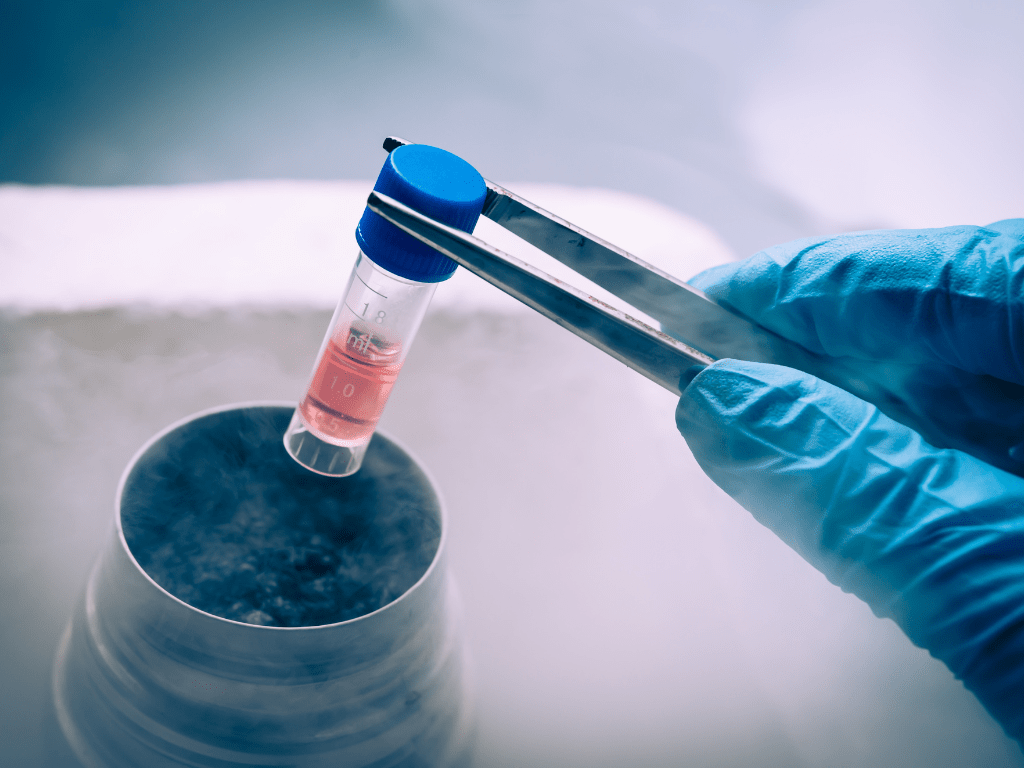
    • Pre-screened, cryopreserved cells thawed and administered via IV
    • 30–60 minute infusion
    • No harvesting procedure
    • Requires reputable sourcing, cell quality and viability are critical variables

Wharton’s Jelly

What It Is

Wharton’s Jelly

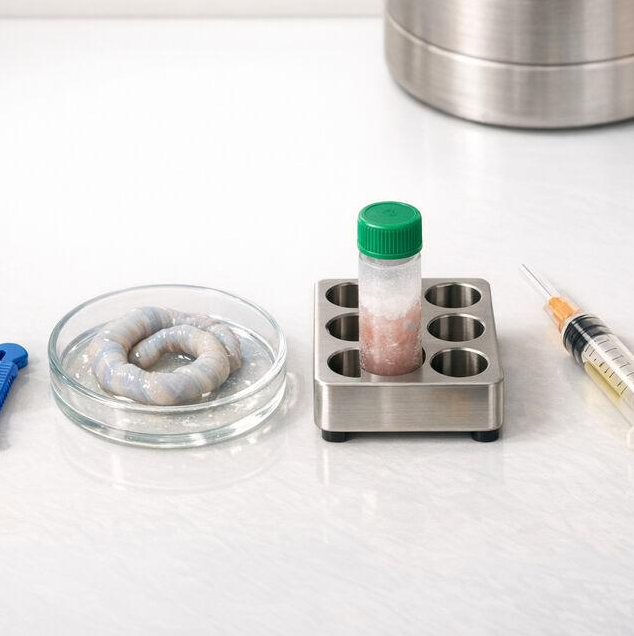
Wharton’s jelly is the gelatinous connective tissue inside the umbilical cord. It’s a rich matrix of:

  • Mesenchymal stem cells (MSCs)
  • Exosomes
  • Growth factors (VEGF, EGF, FGF, TGF-β)
  • Hyaluronic acid
  • Collagen
  • Cytokines and signaling proteins

It’s essentially a complete regenerative package, stem cells, their secreted signals, and the extracellular matrix they thrive in, all in one source. Umbilical cord tissue is considered the most potent MSC source because these cells are epigenetically young, highly proliferative, and immunologically privileged (low rejection risk).

Wharton’s jelly MSCs are donated from healthy, screened, full-term births, ethically collected from tissue that would otherwise be discarded.

Book your consultation
Wharton’s Jelly, what it is
Wharton’s Jelly, how it works

Why It’s Particularly Valuable

  • Cells are at peak biological youth, maximum signaling potency
  • Immune-evasive, express low levels of markers that trigger rejection
  • Higher concentration of MSCs than bone marrow or fat
  • Contains the full milieu: cells + matrix + growth factors together
Book your consultation

Benefits

Largely overlaps with stem cells and exosomes but with the advantage of the complete extracellular matrix:

    • Joint and cartilage regeneration, matrix provides scaffold for tissue rebuilding
    • Skin rejuvenation, full growth factor and hyaluronic acid profile
    • Systemic anti-aging, young MSC signaling systemically
    • Wound healing, accelerated tissue repair
    • Autoimmune modulation

What a Session Looks Like

  1. IV infusion / direct injection
    • Similar to allogeneic stem cell administration, IV infusion or direct injection
    • Often used in orthopedic injections where the matrix component adds structural benefit
    • Also available as topical preparations for skin (high-end aesthetic clinics)
    • Sessions 30–60 minutes for IV; quick injection procedures for local use

Regulatory & Quality Considerations

This space has significant quality variance, it matters enormously:

  • Cell viability at time of administration is critical, improper handling kills cells and degrades exosomes

  • The FDA regulates these as biologics in the US

  • Reputable clinics provide certificates of analysis, third-party testing, and clear sourcing documentation

  • Risks are generally low but include infection (poor sterile technique), and theoretically immune reactions, serious adverse events are rare but reported in unregulated settings

Map the right regenerative protocol for you

Exosomes, stem cells, and Wharton’s jelly work best when matched to the goal, systemic longevity, orthopedic repair, or aesthetic rejuvenation. Start with a consultation to review your labs and set the sequence.

Book your consultation